The Rise of Social Media Wellness Hacks: What Science Actually Says — InsightsWellbeing

Introduction
You’ve probably come across wellness hacks all over social media—quick tips, reels, challenges, filters, “5-minute fixes.” They claim to give you calm, better sleep, more energy, clearer skin, and less stress. They look tempting. But do they really deliver? Or are they just trendy shortcuts that don’t hold up in the long run?
In this blog, we’ll go through what science actually says about these wellness hacks. Where they can help, where they might backfire, and how to figure out what’s worth your time versus what’s just noise. Because real wellbeing needs more than shiny trends on a screen.
What Do We Mean by “Wellness Hacks”?
When I say “wellness hacks,” I mean the easy tips, tricks, challenges, or routines people share on social media to feel better fast. Examples:
- Sleep routines or filters to “optimize” rest
- Quick breathing, meditation, or sleep maxxing ideas
- Dietary advice, “what to eat to glow” videos
- Filtered images or idealized beauty tips
These are not bad by themselves. Some can help. But science asks: are they backed by evidence? Do they help most people? And do they ever cause harm?
What Science Tells Us: Where Social Media Wellness Hacks Can Help
Some of these wellness hacks do seem useful — when used wisely and with moderation. Here are what studies show:
- Connecting people, community and support
- Social media helps people discover wellness practices they might not have heard of before. For instance, people share sleep tips or mindful breathing techniques. That can be good, especially if shared by credible creators.
- Motivation & exposure
- Seeing others doing wellness routines, or sharing progress, can motivate you to try something positive. It can help form new habits. For example, content around physical activity ads or campaigns often leads people to try small steps.
- Awareness of health & self-care
- Wellness hacks often remind us of basics: sleep, hydration, rest, mental check-ins. Many forget them, and sometimes all we need is a reminder. Studies on social media use find these reminders can improve a sense of belonging and self-esteem if they feel achievable.
Where The Problems Begin: What Science Says About the Risks
But not all wellness hacks are helpful. Sometimes they do more harm than good.
- Misinformation & oversimplification
- A lot of wellness hacks online are shared without proper evidence or context. One systematic review showed that wellness misinformation spreads fast on platforms like TikTok and Twitter. Many influencers share bold claims without backing them up, or give advice that overlooks how different bodies actually respond.
- Unrealistic expectations & comparison
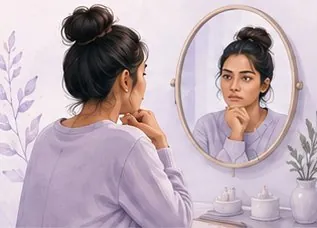
- When people are constantly shown “perfect” sleep setups, flawless skin, or ideal bodies, it often leads to comparison. This can lower self-esteem or cause distress, especially for younger audiences. Research even connects heavy social media use with higher levels of body dissatisfaction and anxiety.
- Temporary fixes, not long-term change
- These hacks also promise instant results: “do this and sleep better tonight” or “try 5 caffeine-free smoothies to look 10 years younger.” But most of the time, they don’t create lasting change. Once the novelty fades, stress or sleep problems usually return. Studies also suggest that quick fixes like “detoxes” or short breaks from social media don’t always bring long-term improvements in mood or life satisfaction.
- Mental health burden from overuse
- Too much social media itself can feed anxiety, depression, poor sleep. The more hours spent, especially comparing ourselves or chasing validation (likes/comments), the worse it can feel.
So, How Can You Use Wellness Hacks in a Healthy Way?
Since not all are bad — here’s how to choose what’s helpful and avoid what’s harmful.
- Check the source: Ask yourself if the person sharing a hack is relying on research, expert knowledge, or just personal experience. If you are unsure, see it as a “maybe” idea rather than a guaranteed solution.
- Look for small, realistic steps: Simple hacks like five minutes of deep breathing or spending a few minutes outdoors are usually safer and more doable than dramatic lifestyle overhauls.
- Avoid comparison traps: Remember that most wellness content online is edited, polished, or curated. You are only seeing a slice of someone’s life, not the full picture.
- Choose consistency over intensity: A small habit done every day is far more effective than a big flashy change you try once and drop.
- Take breaks when needed: If social media makes you feel anxious or lowers your mood, stepping back can help. Reducing screen time often improves sleep, rest, and overall mood.
Why These Trends Are Getting Bigger
Why are wellness hacks so popular now? A few reasons:
- People are busier than ever and want quick fixes. Hacks sound like an easy way to feel better without much effort.
- Social media algorithms love this kind of content. Hacks are short, visual, and super shareable, so they spread fast.
- Mental health awareness has grown. More people are looking for tools to cope, and quick tips feel like a starting point.
- Peer influence matters — when we see our friends doing something, we want to try too.
Science acknowledges all this. Researchers are studying how platforms present these ideas, how people adopt them, and how they affect wellbeing.
InsightsWellbeing's View on Wellness Hacks
At InsightsWellbeing, we believe wellness isn’t about fast fixes. It’s about gentle, honest work. Sometimes hacks help — as reminders, inspirations, or nudges. But they work best when paired with deeper habits, self-understanding, and sometimes professional support.
If a wellness hack feels exciting, try it. But also ask: Does this feel REAL to me? Will I feel worse if I can’t keep it up?
If you often feel overwhelmed by wellness trends, or if trying these hacks leaves you drained instead of uplifted, you might benefit from a growth and guidance plan to find what actually brings you peace, not just what looks good on screen.
Conclusion
Wellness hacks are all over social media. Some genuinely help, while others can do more harm than good. Research suggests that what really matters is not just using them, but how you use them. Real wellness is built on small, honest steps, self-awareness, and being kind to yourself.
At InsightsWellbeing, we believe true wellbeing is not about perfect routines, viral hacks, or quick fixes. It’s about choosing what feels authentic, what supports you over time, and what grows with you. And if wellness hacks ever start to feel like pressure instead of support, remind yourself: it’s okay to slow down, to question, and to heal in the way that works for you.
FAQs
1. Are most wellness hacks on social media useful or just hype?
They’re a mix. Some offer good reminders or inspiration. Others oversell results or miss the complexity of different people. It helps to be careful and not expect miracles.
2. How much time on social media is healthy?
There’s no one-size-fits-all number. But studies often show that heavy use (many hours/day), especially late at night or before bed, tends to correlate with poorer sleep, worse mood, and more anxiety. (“Moderate, mindful use” is safer).
3. What red flags should I watch for in wellness content?
- Claims that sound too good to be true (“lose weight in 3 days,” “fix anxiety overnight”).
- Lack of evidence or sources.
- Content that makes you feel worse (comparison, shame).
- Constant urgency or hype (“must try this now”).
4. Can someone with mental health challenges use wellness hacks safely?
Yes — but more care is needed. When we have anxiety, depression, or similar struggles, what triggers or overwhelms others might overwhelm us too. Pairing hacks with support (therapist or trusted guides) helps.
5. What’s the first step to find wellness hacks that really work for me?
Start small. Pick one simple thing (e.g. 5 minutes of daylight, breathing, turning off phone at bedtime). Try it for a week. Notice how it feels in your mind, body, sleep. If it helps, keep it. If not, drop it and try something else.
References
- Wiley, L. et al. (2024). Wellness Misinformation on Social Media: A Systematic Review Using Social Cognitive Theory. PubMed.PubMed
- Reyes, M. E. S., “Pros & cons: impacts of social media on mental health.” BMC Psychology, 2023.BioMed Central
- Study: Impact of social media influencers on health outcomes — systematic review. PubMed.PubMed
- Research on “sleepmaxxing” trend and sleep hygiene. Wikipedia / trending wellness practices.Wikipedia
- HealthLine article on positive & negative sides of social media.Healthline+1

Priya Parwani
Priya is dedicated to providing practical solutions with an evidence-based approach to mental health care.
Related Blogs
No related blogs available.
